
Choosing the Right Tile for Small Bathroom Remodels in Seattle
Make a small Seattle bathroom feel brighter, calmer, and more spacious with tile choices that balance scale, slip resistance, moisture performance, and re…
Make a small Seattle bathroom feel brighter, calmer, and more spacious with tile choices that balance scale, slip resistance, moisture performance, and re…
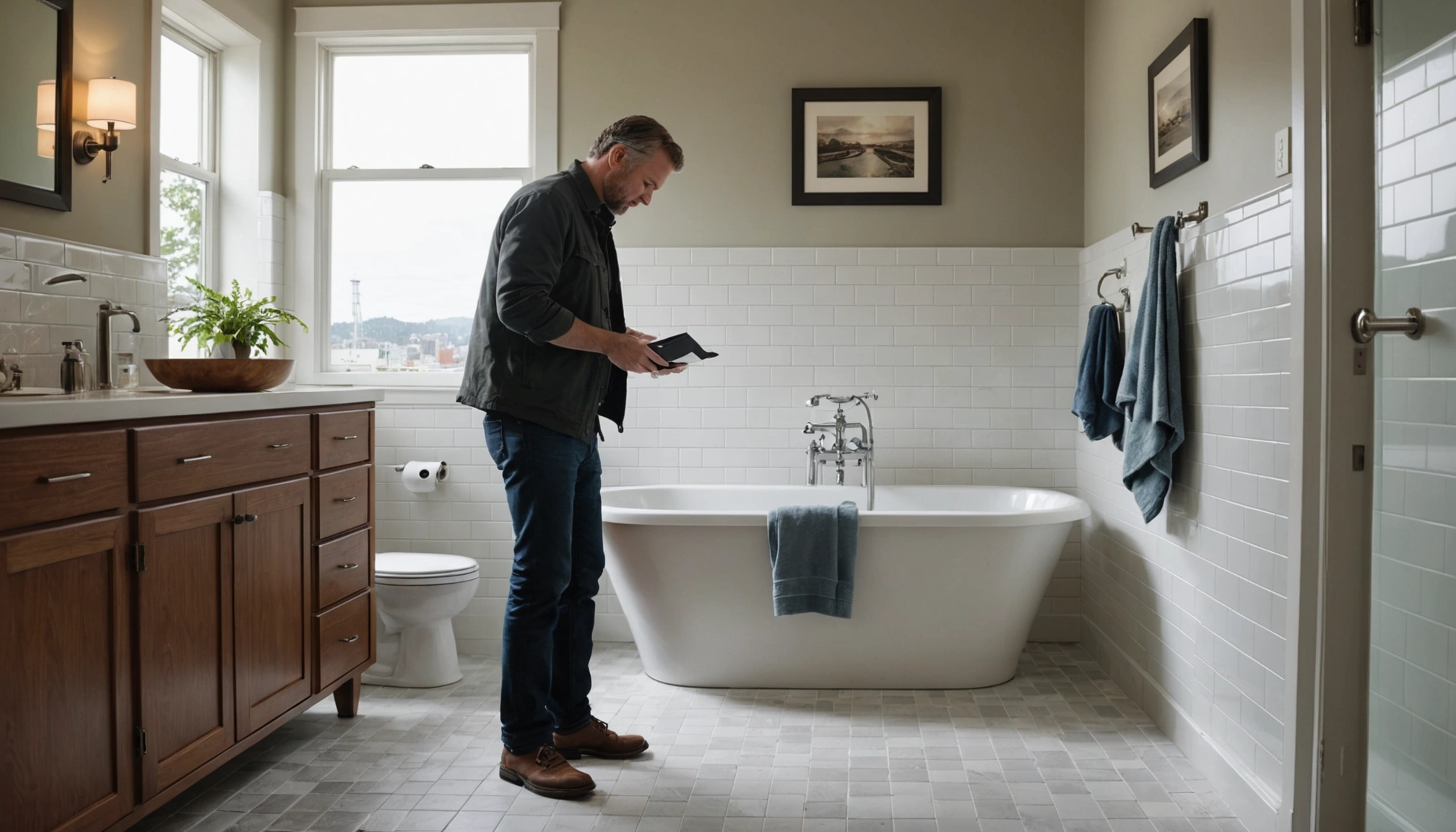
Choosing the Right Tile for Small Bathroom Remodels in Seattle
Choosing the Right Tile for Small Bathroom Remodels in Seattle
Make a small Seattle bathroom feel brighter, calmer, and more spacious with tile choices that balance scale, slip resistance, moisture performance, and re…
Make a small Seattle bathroom feel brighter, calmer, and more spacious with tile choices that balance scale, slip resistance, moisture performance, and re…
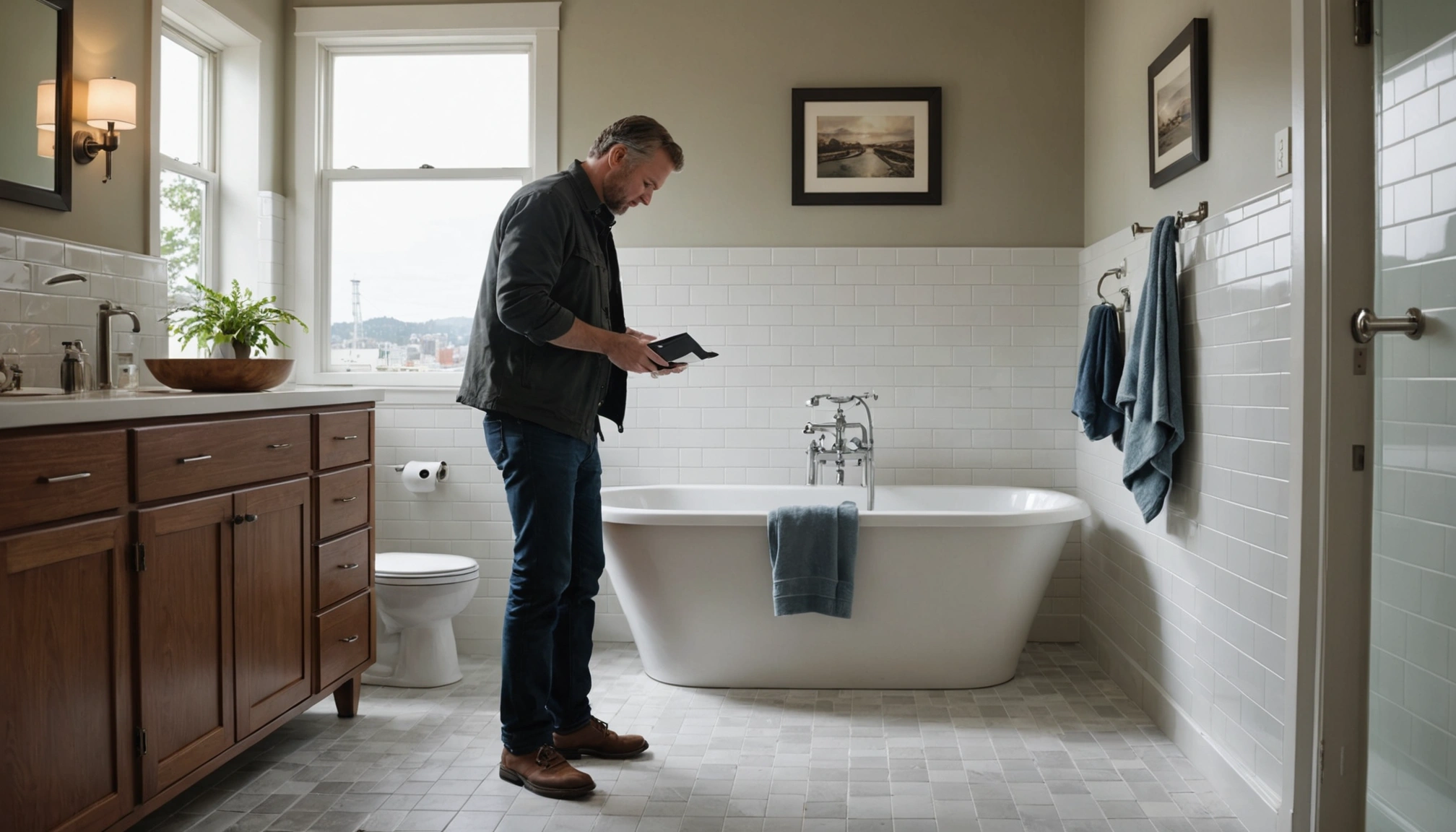
Start With Scale, Proportion, and Sightlines
One of the most common mistakes in a small bathroom remodel is choosing tile without thinking about how the room is read from the doorway. A compact bathroom needs visual continuity. When there are too many cuts, contrasting grout joints, or competing patterns, the room feels crowded even if the footprint has not changed.
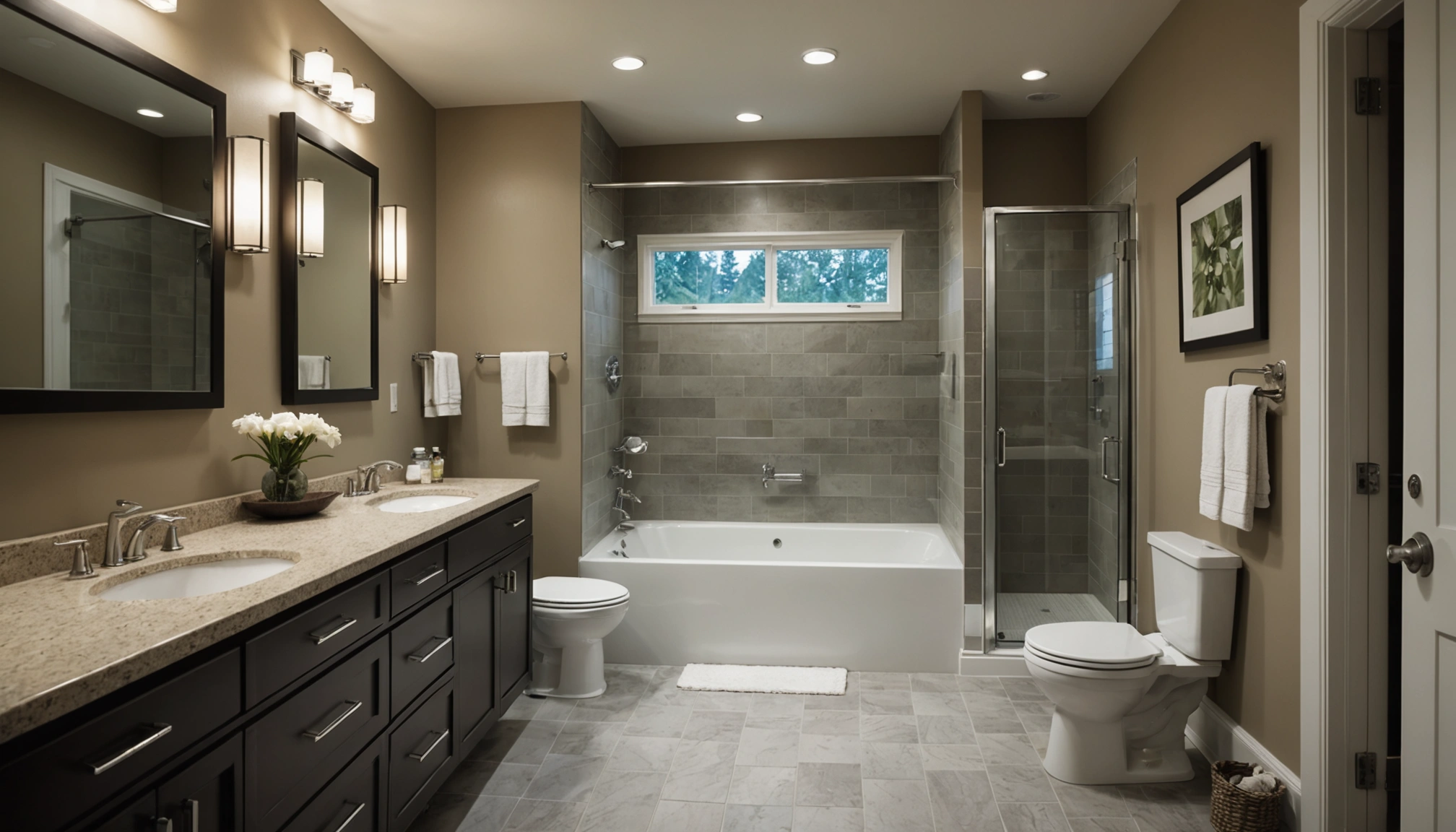
That is why larger-format porcelain tile is often the strongest starting point. A 12×24 tile on the floor or shower walls can reduce visual noise and make the room feel longer and more settled. The goal is not to force oversized tile everywhere. The goal is to create a more continuous surface that lets the eye move easily through the room.
At Elite Team Builders, we look at tile scale alongside vanity width, shower dimensions, and the room’s most important sightlines. The best tile plan supports the geometry of the bathroom rather than fighting it.
Choose Colors That Work With Seattle Light
Seattle bathrooms often experience softer daylight for much of the year, so tile color behaves differently than it might in a brighter Southern California room. Pure white can read colder than expected, while darker finishes can make a small room feel flatter if there is not enough natural light to balance them.
For most small bathroom remodels, the most successful palette sits in the range of warm white, pale gray, soft greige, or stone-inspired porcelain with subtle movement. These tones brighten the space without making it feel sterile. They also layer well with warm wood vanities, brushed brass fixtures, or matte black details when you want a more modern West Coast look.
- Use lighter wall tile to reflect more available light.
- Keep strong contrast to one or two intentional accents.
- Let the tile palette support the vanity, mirror, and lighting plan instead of competing with it.
Prioritize Porcelain for Performance and Longevity
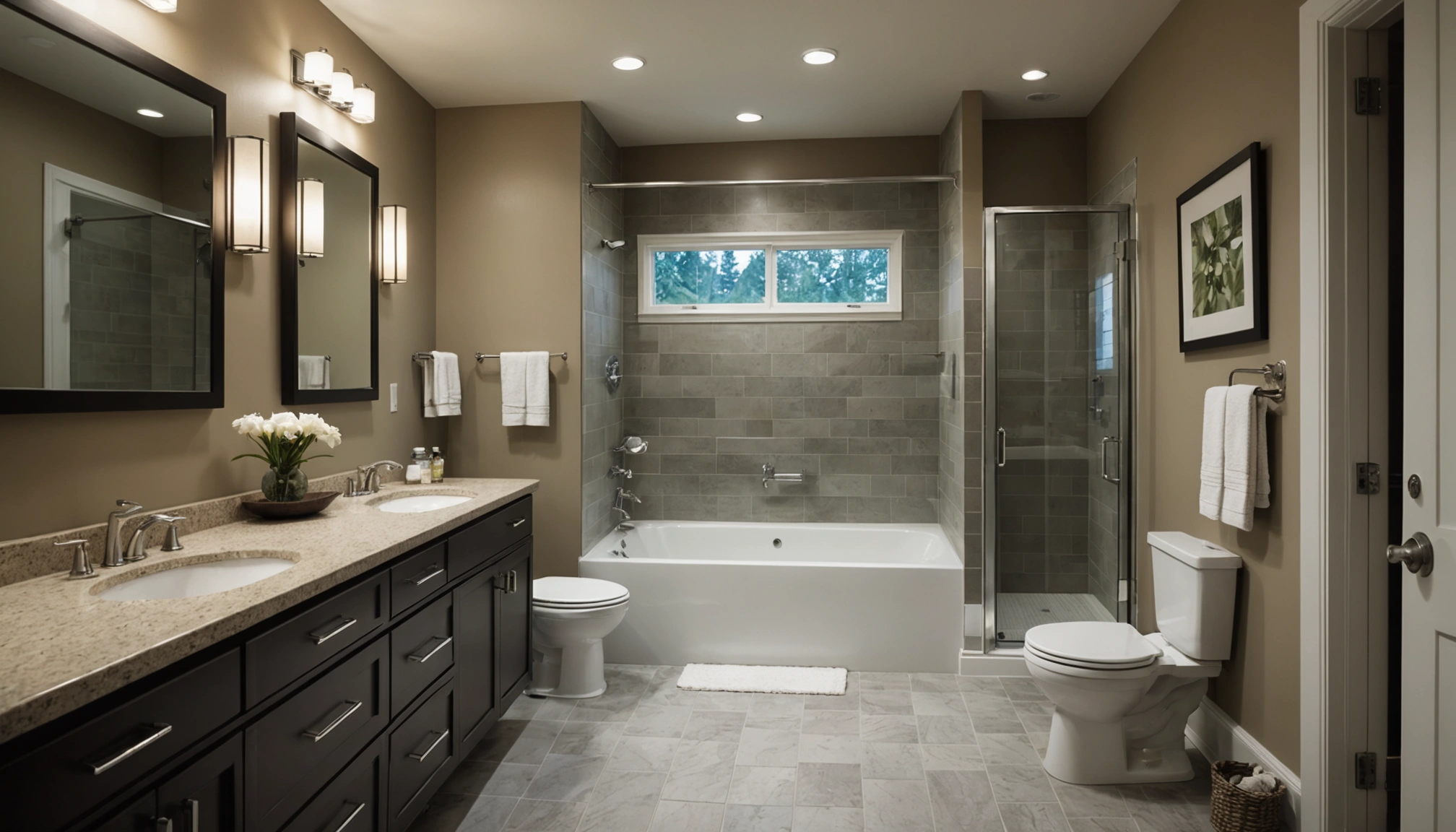
In most Seattle bathroom projects, porcelain is the material we recommend first. It offers excellent moisture resistance, durability, and design flexibility while requiring less maintenance than many natural stones. That matters in smaller bathrooms where shower spray, humidity, and daily wear are concentrated in a tighter footprint.
High-quality porcelain now comes in convincing stone, concrete, and minimalist matte finishes that work beautifully in design-forward remodels. It also integrates well with heated floor systems, modern waterproofing assemblies, and low-threshold or curbless shower details.
If you want the bathroom to feel premium for years instead of just looking good on installation day, performance should be part of the material conversation from the beginning.
Grout Strategy and Tile Direction Shape the Entire Room
Tile color gets most of the attention, but grout strategy often determines whether the final bathroom feels refined or busy. Narrow grout joints, a grout color close to the tile tone, and a clear direction of layout can completely change how spacious the room feels.
Running rectangular floor tile in the direction of the room’s longest dimension can visually stretch the space. Vertical shower tile can make a shorter room feel taller. Even niche placement and edge profiles matter. Clean transitions and balanced cuts are what make a tiled bathroom look intentionally designed instead of builder-basic.
When we detail small bathrooms, we also consider how the tile interacts with drains, thresholds, and adjacent flooring. Those small technical choices are often what elevate the finished result.
Match the Tile Selection to the Way the Bathroom Is Used
A compact guest bath, a family hall bath, and a primary suite should not all be tiled the same way. A family bathroom may need more slip resistance and easier cleaning. A primary bathroom may benefit from quieter tones and a more spa-like finish palette. A guest bathroom can often support a little more visual drama because it handles less daily wear.
The right tile plan balances aesthetics with real household use. That includes ventilation, maintenance expectations, traffic level, and who will be using the room day to day. In Seattle, that practical layer is especially important because moisture performance and cleanability have to live alongside the design vision.
The strongest remodels are the ones where the materials look elevated, feel cohesive, and still make daily life easier.
Do Not Overlook Slip Resistance, Waterproofing, and Maintenance
Beautiful tile should still perform under daily use. In a small bathroom, water lands on more of the room more often because circulation zones are tight and shower spray travels farther than most homeowners expect. That is why floor tile selection should always include a conversation about traction, grout maintenance, and how the waterproofing system is being detailed below the surface.
For Seattle homes, we typically recommend a floor tile with enough texture to improve grip without becoming difficult to clean. That often means matte or satin porcelain with a subtle tactile finish rather than polished surfaces on the floor. We also look at how grout joints are sized, where water will shed, how the shower pan is sloped, and whether transitions at the doorway and vanity toe-kick are easy to maintain long term.
These choices are not as visible as a feature wall, but they affect how premium the room feels six months and six years after the remodel. A small bathroom that is easy to wipe down, resists moisture issues, and stays visually crisp over time will always feel like a better investment.
Know Where to Save and Where to Invest
Not every part of a tile package deserves the same budget. In a small bathroom, one of the smartest strategies is to keep the main field tile calm and cost-efficient, then invest in the areas that have the highest visual or functional payoff. That may mean using a durable porcelain on most surfaces while spending more on a statement vanity wall, a refined niche detail, upgraded trim profiles, or a higher-quality shower floor mosaic that feels better underfoot.
We also encourage homeowners to think in terms of total composition instead of isolated samples. A modestly priced porcelain can look exceptionally high end when it is paired with strong lighting, frameless glass, warm wood, and disciplined layout decisions. On the other hand, expensive tile can still feel ordinary if the cuts are awkward, the grout contrast is too strong, or the room lacks balance.
The best value comes from putting money where the eye lingers and where performance matters most. That is how a small bathroom remodel can feel custom, intentional, and aligned with the larger style of the home without pushing every finish to the top end of the budget.
Frequently Asked Questions
Get a FREE estimate! Call (888) 821-3548 | eliteteambuildersinc.com Connect with Elite Team Builders Inc. for guidance tailored to your goals, timeline, and property needs.
Lic# ELITETB750CC
Lic# 257266
Lic# 1126980
Frequently Asked Questions
Get a FREE estimate! Call (888) 821-3548 | eliteteambuildersinc.com Contact Elite Team Builders Inc. for guidance tailored to your needs.
Lic# ELITETB750CC
Lic# 257266
Lic# 1126980